
EESA Engage · Issue #7 · October 2026
The Future of Event Technology: Emerging Trends Shaping India’s Live Experience Industry
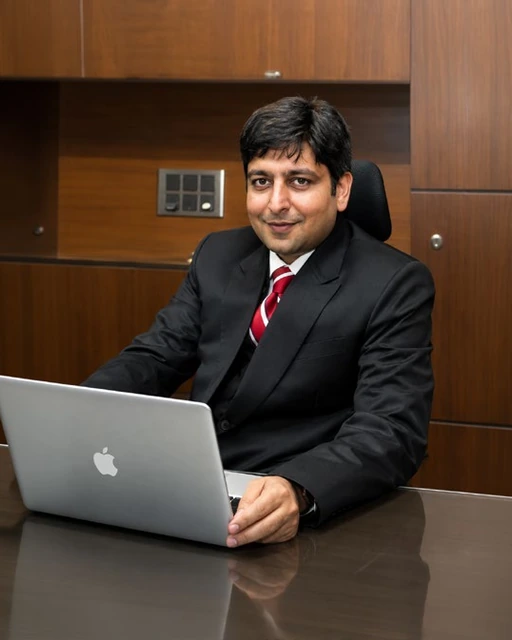
By Sushant Mehrotra, IRS Communications
Introduction: An Industry in Transformation
India’s event industry is evolving from traditional stage, sound and lighting setups into a technology-driven ecosystem focused on immersive experiences, intelligent production and audience engagement.
My recent experience at India Mobile Congress (IMC) 2026 reinforced this shift. The use of large-format anamorphic LED displays demonstrated how technology, creative content and precise execution can transform an event into a powerful communication experience.
For EESA members, the opportunity lies in combining reliable equipment with technical expertise, creative thinking and integrated solutions.
Anamorphic LED Displays and Immersive Experiences
Anamorphic LED technology creates optical illusions of depth, making visuals appear to extend beyond the screen. Its applications are expanding across product launches, exhibitions, corporate events and automobile showcases. Delivering these experiences requires more than LED equipment; it demands expertise in screen geometry, viewing angles, pixel mapping, media servers and specialised content.
The opportunity for EESA members: Build technical expertise, collaborate with content studios and offer complete immersive visual solutions rather than equipment alone.
AI-Powered Content Creation and Real-Time Production
AI is transforming content creation by helping teams develop concepts, storyboards, visual references and screen-specific content faster. Real-time graphics can also integrate live data and audience responses into presentations. However, accuracy, copyright, originality and brand consistency remain critical. AI should enhance creativity, with human supervision and technical validation ensuring quality.
The opportunity for EESA members: Explore AI-assisted workflows, partner with content creators and production studios, and use automation to improve productivity without compromising quality.
Integrated AV Systems and Intelligent Show Control
Modern productions bring together LED processors, media servers, cameras, audio, lighting, graphics and streaming systems. Coordinating these components through network-based AV and centralised show control can improve efficiency and troubleshooting. Reliability remains essential, requiring tested signal paths, backup systems, redundancy and clearly defined responsibilities.
The opportunity for EESA members: Strengthen knowledge of AV integration, networking and signal distribution, while adopting standard operating procedures for testing, backup and fault recovery.
LED Technology Beyond the Main Stage
LED floors, curved and transparent displays, immersive tunnels and multi-surface installations are expanding creative possibilities across exhibitions, brand activations, retail, automotive showcases and experiential marketing. But successful investment depends on understanding client demand and technical requirements, including pixel pitch, brightness, viewing distance, structural support and power consumption.
The opportunity for EESA members: Evaluate existing inventories, identify complementary technologies and explore partnerships or shared-investment models before committing to major capital expenditure.
Hybrid Events, Live Streaming and Multi-Platform Delivery
Physical events remain valuable, but their reach increasingly extends to remote audiences through live streaming, multi-camera production, remote presentations and digital engagement. This requires coordinated planning across stage design, lighting, audio, graphics, cameras and streaming systems. Content must work equally well for audiences in the venue and viewers on different screens.
The opportunity for EESA members: Expand beyond conventional on-site AV services through partnerships and capabilities in broadcast production, streaming, recording and digital content delivery.
Sustainability and Responsible Equipment Management
Sustainability is becoming increasingly important to event organisers and corporate clients. Reusable structures, energy-efficient equipment, optimised transportation, responsible material selection and waste reduction can support more sustainable operations. For rental companies, maintaining equipment, extending asset life and improving utilisation also help control costs. Sustainability must consider the complete production lifecycle, not just individual technologies.
The opportunity for EESA members: Adopt practical sustainability measures, track their impact and incorporate them into client proposals to build a competitive advantage.
Skilled Manpower: Our Biggest Competitive Advantage
As technology advances, skilled professionals remain the foundation of successful productions. Teams increasingly need expertise in LED processing, media servers, networking, audio, lighting control, structural safety and integrated show execution. Continuous learning and effective coordination between technical departments are essential to keeping pace with evolving equipment and production demands.
The opportunity for EESA: Strengthen the industry through technical workshops, product demonstrations, knowledge-sharing and practical training programmes that raise workforce competence and professional standards.
Safety, Standardisation and Professionalism
As event installations become more complex, safety and operational discipline must keep pace. Rigging, suspended equipment, temporary power, cable management, access arrangements and emergency procedures require competent planning and execution.
Backup equipment, tested connections, rehearsed cues and clear escalation procedures are equally important to reliable delivery.
Professionalism is measured not only by visual impact but also by safety, reliability and the ability to perform under pressure.
The opportunity for EESA: Promote knowledge exchange, good operating practices and appropriate technical and safety standards across the industry.
The Way Forward: From Equipment Suppliers to Experience Partners
These eight trends point towards a more integrated, skilled and technology-led event industry. EESA can help members prepare through technical seminars, hands-on demonstrations, training initiatives, equipment showcases and stronger collaboration with manufacturers, content studios, event agencies and clients.
Members must also assess emerging technologies through a practical business lens. Not every trend warrants immediate investment; the priority is to identify genuine market opportunities and build capabilities that deliver measurable value.
India’s event industry has the potential to move beyond supplying sound systems, lighting, LED walls and staging infrastructure to becoming a true partner in creating memorable experiences.
The future will not be defined by the equipment we own alone, but by the experiences we create, the standards we uphold and the value we deliver to our clients.
As EESA members, let us work together to build a more innovative, skilled, professional and future-ready event industry in India.
As published in EESA Engage · Issue #7 (October 2026): read the issue.