
EESA Engage · Issue #6 · July 2026
The Cleanest Event Wins
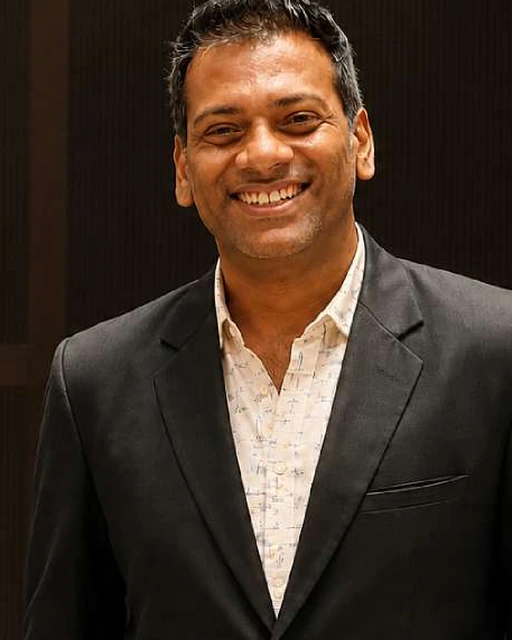
By Sagar Reddy, Activ Solutions
Walk through any venue the morning after a big event and you see the truth that never goes into the report. Bins full of flex and sunboards, printed for just one day. Piles of unopened brochures that are already out of date. Stacks of single-use cups. And near the loading bay, a diesel generator that ran all night to keep it all going.
We take photos of the stage, the crowd and the lights. We never take a photo of the bin. But the bin is where the real story of an event is told.
So here is a simple idea. We should judge an event not only by the crowd it drew, but by how little it threw away. The best event of the year should be the one that sends the least to the landfill. An event manager standing next to a near-empty bin should feel as proud as one standing on a packed floor. We should even put it on the report (waste created: very low) right next to the footfall number and compete on it.
Move less, burn less, print less
Take away the glamour, and most of what we do is move things from one place to another. Every kilogram we move burns diesel along the way. The greenest sunboard is the one we never made. The cleanest truck trip is the one that never happened.
Start with the generator: that diesel engine sitting in a corner, burning fuel and drowning out the very event it powers. Battery Energy Storage Systems (BESS) give the same power, but quietly and cleanly, charged from the grid or from solar. For our rental partners, this is not a threat; it is the next business. The company that rents generators today can rent batteries tomorrow, and clients will pay more for clean, silent power.
Then there is print. We print out of habit (brochures, pamphlets, flex, fabric, sunboards) made in bulk, used for a few hours, then thrown away. And most of it is out of date the moment it is printed. We spend real money and real material to create waste.
The value was never in the paper
This is the problem I have been trying to solve. At an exhibition, a visitor meets a booth and a booth collects a lead. None of that needs paper.
Picture a different show. A visitor arrives with one QR code on their phone. That single code is their whole event. They walk up to a booth, it gets scanned, and the connection is made: no card handed over, no brochure, nothing to throw away. The visitor leaves with every booth they visited saved on their phone, with details that stay live and can even be updated after the show. The booth owner leaves with a clean list of every real visitor, not a box of cards to type up later and forget. That is the idea behind Active keep the value, drop the waste.
Good for the country, too
This is not just good for the planet; it is good for the economy. India buys most of its oil from abroad. Every diesel generator we retire cuts that bill and moves demand toward batteries and solar made here at home. Cutting imported paper and ink keeps that money in the country too. And every event that goes digital grows our own software and clean-energy industries. Cleaner events quietly help the trade balance, energy security, and local jobs.
Measure what matters
So, put simply: let us add one line to how we judge our work: how much waste did this event create? And let us make the empty bin the real trophy.
I build with earth for a living, so I like the idea of doing more with far less and leaving the ground as we found it. Events deserve the same goal. The crowd will not remember the brochure. The planet will not miss the flex. But the morning after, the venue tells the truth, and the cleanest event should be the one we are proudest of.
Sagar Reddy is the Founding Director of Earth Blocks India Pvt. Ltd., a factory-scale maker of Compressed Stabilised Earth Blocks, and the creator of Activ, a digital event check-in and visitor-exchange platform.
As published in EESA Engage · Issue #6 (July 2026): read the issue.